
Tappy vs Banani
Banani is a solid way to generate designs for web and mobile. Tappy is built only for mobile apps, with Figma and React Native on every plan, including free.
Free to start. No card needed.
The short version.
Where Tappy pulls ahead of Banani.
Banani is an AI design tool for web apps, mobile apps and dashboards. It makes multi-screen interactive prototypes, and connects to coding agents through MCP.
Every export on every plan
Figma and React Native are included from the free plan up. Banani's Figma export is on paid plans only.
Native code
Tappy exports an Expo project in React Native. Banani lists HTML and CSS.
A built-in design review
At Tappy's default level, each new screen is checked from a real screenshot, and Tappy fixes what a design lead would flag.
Feature by feature.
Tappy and Banani, side by side.
“Not listed” means we couldn't find it on Banani's public pages on 4 November 2026, not that it can't be done.
What it costs.
Checked 4 November 2026.
Credits aren't the same unit across products, so compare what you can make with them, not the numbers.
Professional, not vibecoded.
With a design review built in.
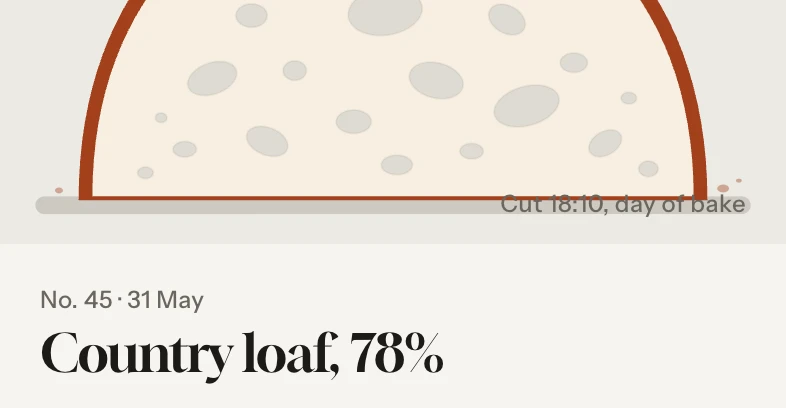
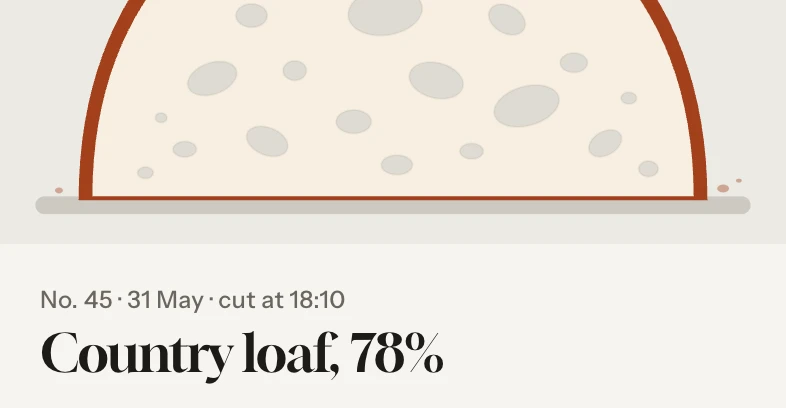
AI can get a screen most of the way there, then leave the mistakes a designer would catch in seconds. At Studio level and above, Tappy looks at a real screenshot of each new screen, reviews it like a design lead, and fixes what it finds. These are real catches, not mock-ups.
From Tappy's review of Crumb & Crust
“The ‘Cut 18:10, day of bake’ label sat on top of the drawn cutting board and crumb.”
Tappy's design rules also rule out the habits that give AI designs away:
- Gradient text
- Purple-to-blue gradients
- Neon glows
- Sparkle icons and “AI-powered” badges
- Emoji used as icons
- Decorative blobs
- Charts with no labels
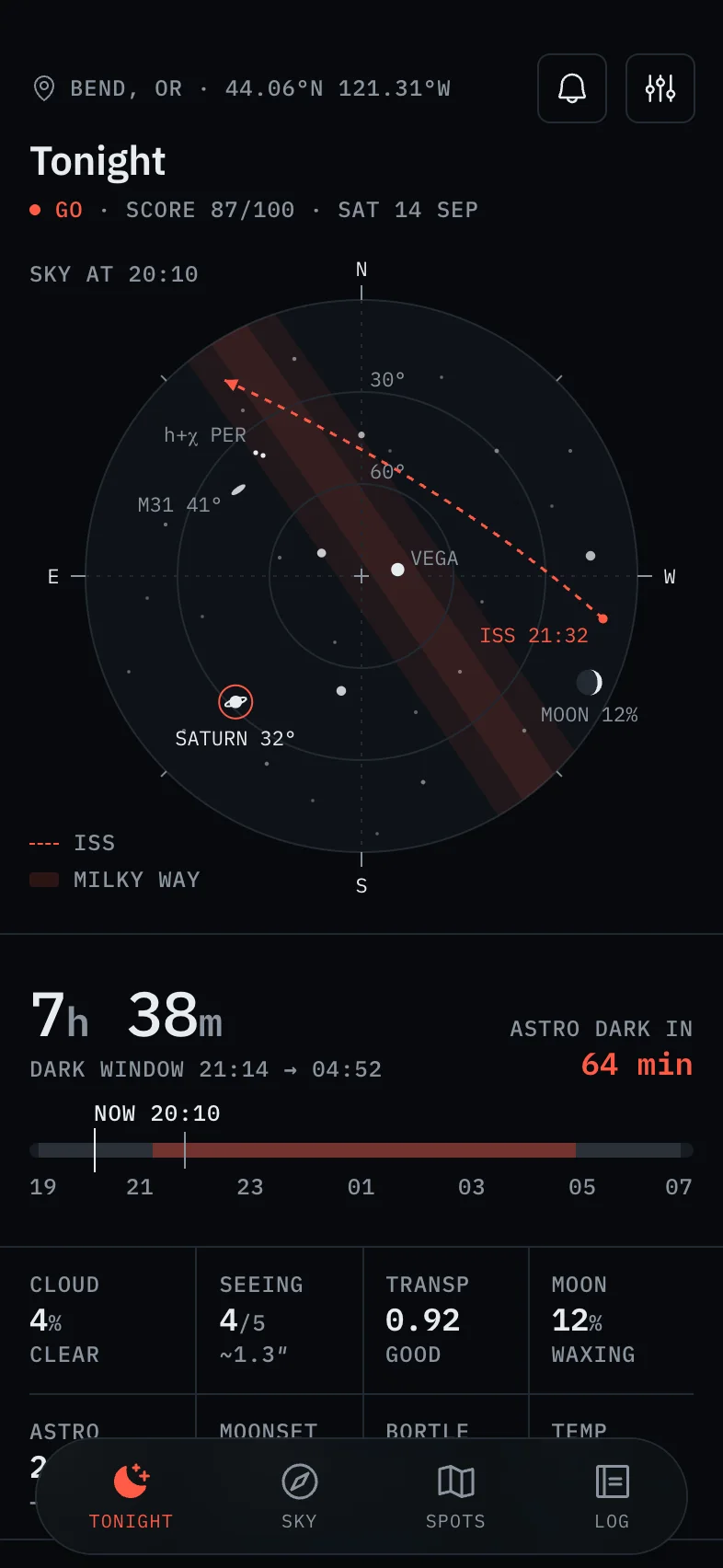
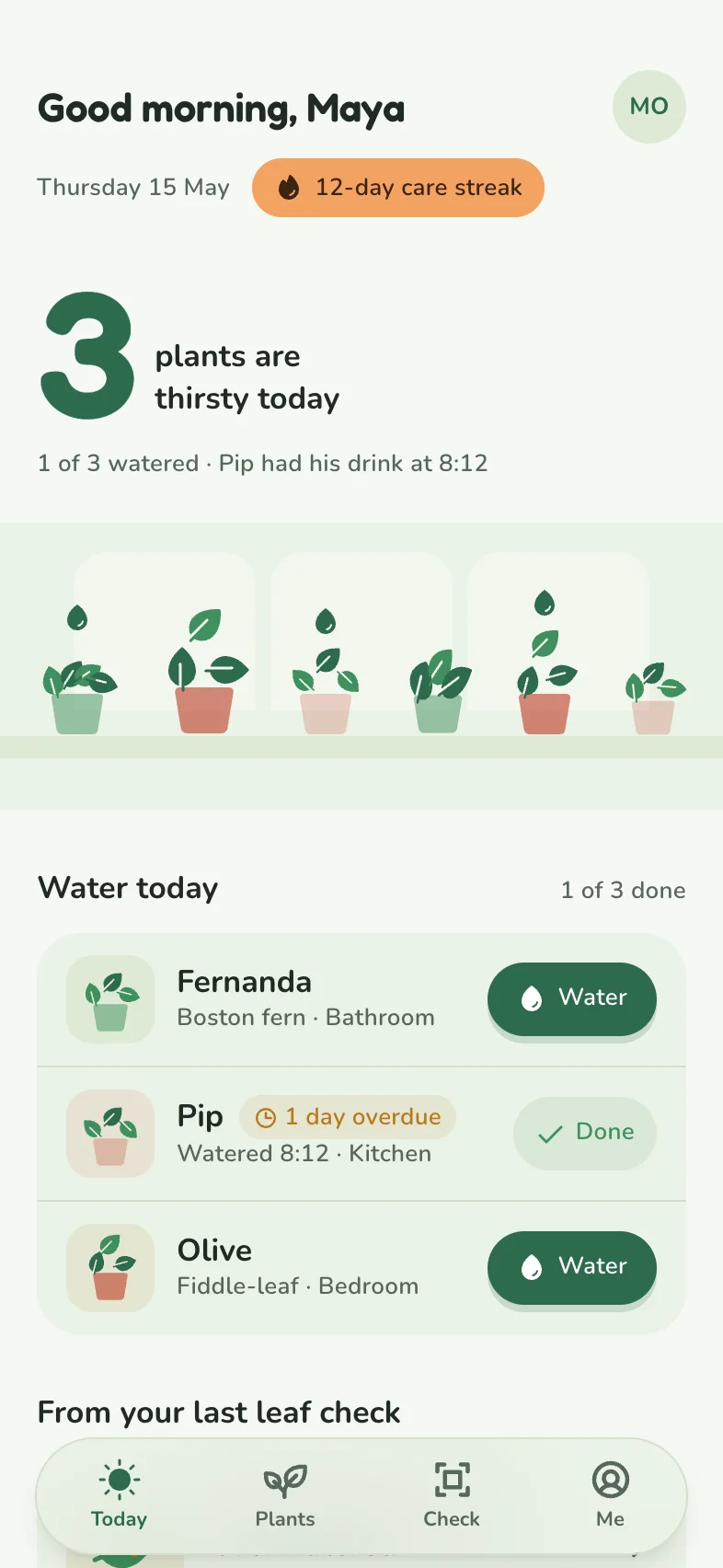
Real Tappy designs.
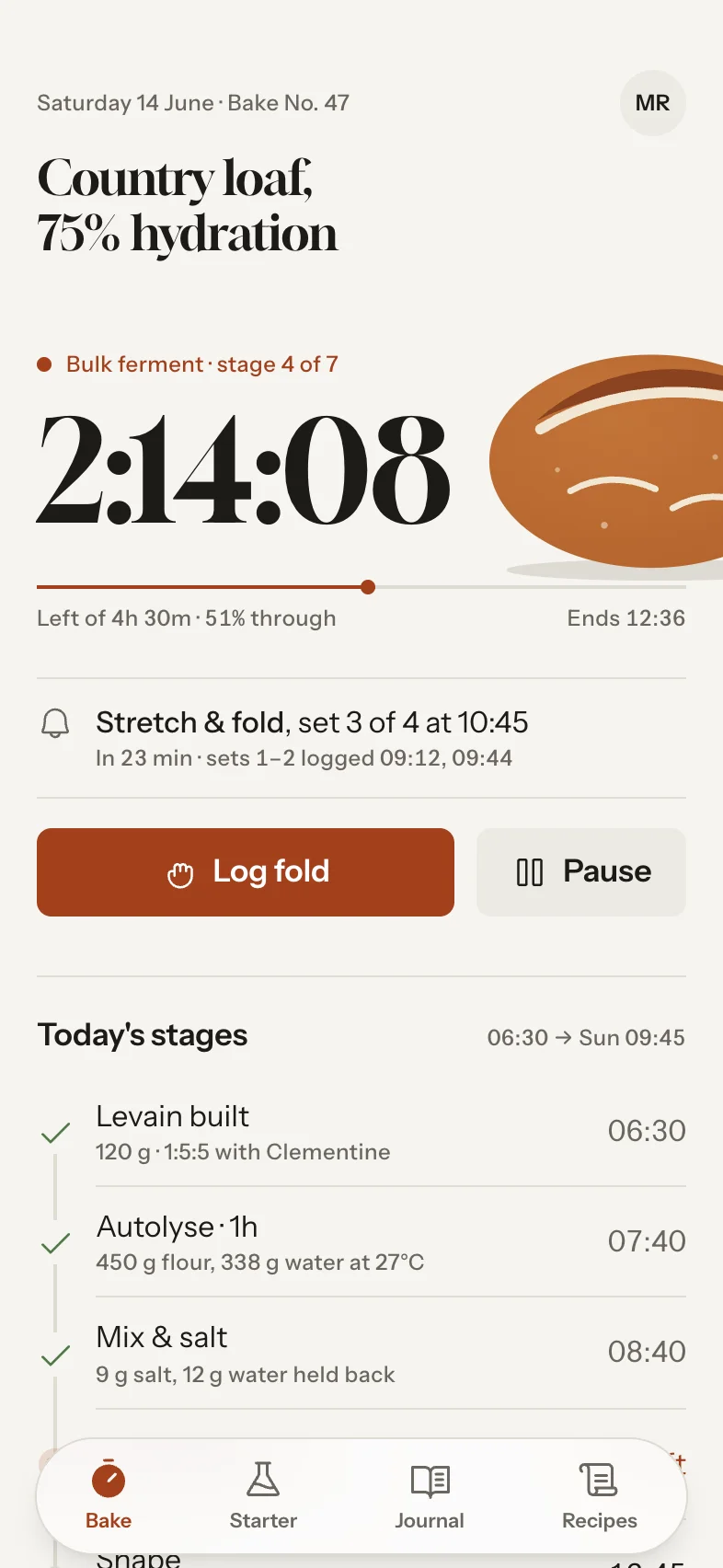
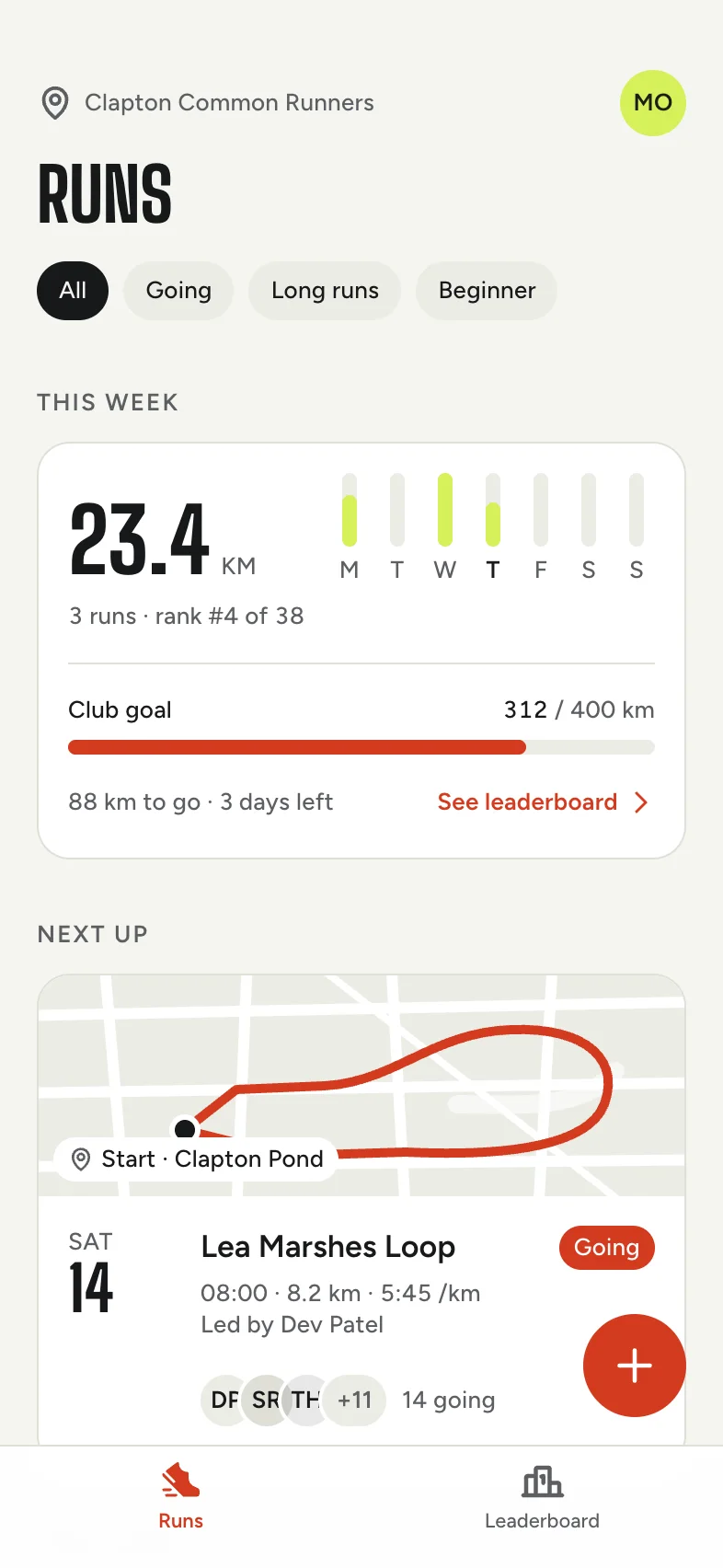
Each app gets its own type, colour and layout.




When Banani might suit you better
- You want unlimited credits for one flat price.
- You design web apps and dashboards as well as mobile apps.
- You want to connect coding agents through MCP.
Good questions.
Is Tappy better than Banani?
For mobile apps, we think so: it's all Tappy does, and you get Figma and React Native from day one. Banani is the better pick for web apps and dashboards.
Can I export to Figma for free?
In Tappy, yes. In Banani, Figma export is on paid plans.
Sources, checked 4 November 2026
Prices and features change, so check each company's site before you decide. Product names belong to their owners, and Tappy isn't affiliated with or endorsed by them.